Best Board Games of All Time
Defining the best board games of all time means looking beyond simple popularity. Truly great board games combine timeless gameplay, high replayability, design excellence, and lasting cultural impact. These are the games that not only shaped the modern board gaming hobby but continue to attract new players decade after decade.
From ancient abstract strategy to modern campaign-driven epics, the games on this list represent milestones in tabletop game design. Each one set a standard, introduced new ideas, or redefined what board games could be.
Criteria for the Best Board Games Ever
The greatest board games of all time share several defining qualities:
Timeless gameplay that remains engaging across generations
High replay value, encouraging repeated play without feeling repetitive
Broad appeal or genre-defining impact, influencing future game design
Accessibility paired with depth, allowing both newcomers and experienced players to enjoy them
These criteria help separate short-lived trends from true classics.
Best Board Games of All Time

1. Chess
The ultimate abstract strategy game
Chess is the most enduring and influential board game ever created. With origins dating back over a thousand years, it remains a benchmark for strategic depth and competitive balance. Two players face off using identical pieces, where victory depends entirely on foresight, planning, and adaptability.
Despite its simple rules, chess offers near-infinite strategic possibilities. Opening theory, middle-game tactics, and endgame mastery have been studied for centuries, yet the game continues to evolve. Its universal recognition and competitive scene make it the gold standard for abstract strategy games.
Why Chess belongs on this list:
Perfect information with zero randomness
Infinite strategic depth
Globally recognised and culturally significant
Continues to influence modern abstract game design
2. Monopoly
The most iconic mass-market board game ever made
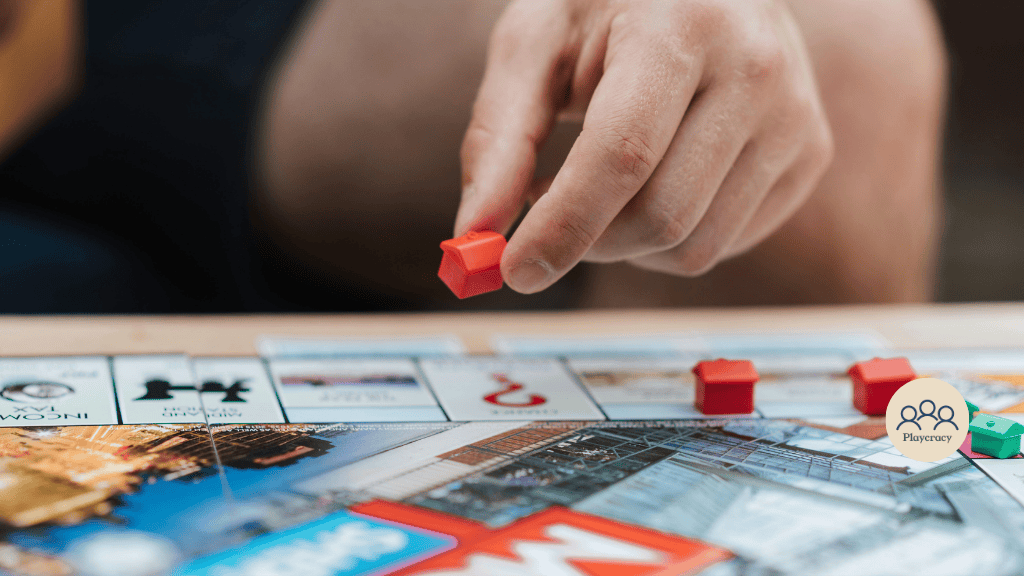
Monopoly is one of the most recognisable and widely played board games in history. First published in the early 20th century, it introduced generations of players to economic themes such as property ownership, rent collection, negotiation, and financial risk.
Players move around the board acquiring properties, building houses and hotels, and attempting to bankrupt their opponents. While luck plays a role through dice rolls and card draws, Monopoly’s cultural impact is undeniable, making it a foundational experience for millions of players worldwide.
Why Monopoly earns its place:
One of the best-selling board games of all time
Introduced economic and property concepts to mass audiences
Deep cultural penetration across countries and generations
A common entry point into board gaming for families
3. Catan
The gateway game that changed everything
Catan is widely credited with bringing modern board gaming into the mainstream. By introducing modular boards, player trading, and resource management, it offered a dynamic alternative to traditional roll-and-move games.
Players collect resources, negotiate trades, and expand settlements across an ever-changing map. The blend of luck, strategy, and social interaction makes each game unique, while its approachable rules make it an ideal introduction to hobby board games.
Why Catan endures:
Modular setup ensures high replayability
Trading encourages player interaction
Accessible rules with meaningful strategic choices
Massive influence on modern Euro-style games
4. Ticket to Ride
The perfect family gateway game
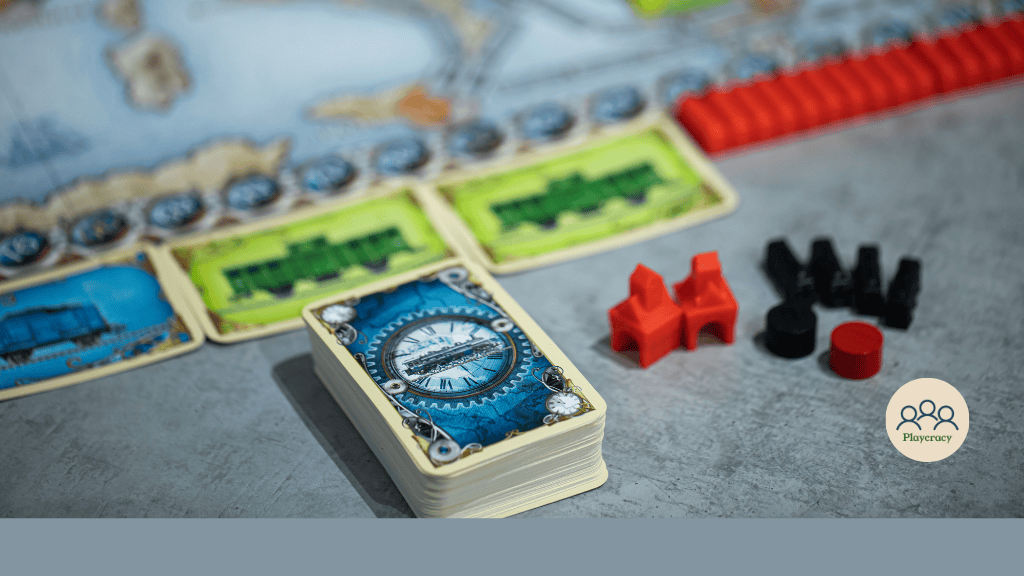
Ticket to Ride is one of the most accessible and beloved family board games ever designed. Players collect coloured cards to claim railway routes across a map, completing secret destination tickets for points.
Its strength lies in its simplicity: turns are fast, goals are clear, and competition remains friendly yet engaging. With countless map variations and expansions, Ticket to Ride has maintained its popularity for years while remaining welcoming to new players.
Why Ticket to Ride stands the test of time:
Easy to learn, hard to master
Appeals to families and experienced gamers alike
Scales well across different player counts
Consistently strong replay value
5. Pandemic
The cooperative board game classic
Pandemic redefined how players interact at the table by popularising fully cooperative gameplay. Instead of competing against each other, players work together as a team of specialists racing to stop global disease outbreaks.
The game’s escalating tension, limited resources, and shared decision-making create memorable moments of triumph and defeat. Pandemic also laid the groundwork for countless cooperative and legacy-style games that followed.
Why Pandemic is a landmark design:
Popularised cooperative board gaming
Encourages teamwork and communication
Adjustable difficulty increases longevity
Influenced an entire genre of modern games
6. Carcassonne
The tile-laying masterpiece
Carcassonne is a deceptively simple tile-laying game where players build medieval landscapes of cities, roads, monasteries, and fields. Each tile placement affects both scoring opportunities and long-term strategy.
The brilliance of Carcassonne lies in its balance of accessibility and depth. New players can grasp the rules in minutes, while experienced players find endless strategic nuance in tile placement and timing.
Why Carcassonne remains a classic:
Simple rules with deep strategic possibilities
Organic, visually satisfying gameplay
Works for casual and competitive players
Inspired an entire generation of tile-laying games
7. Gloomhaven
The modern campaign-driven epic
Gloomhaven represents a turning point in modern board gaming, combining tactical combat, legacy-style progression, and deep narrative storytelling into a single experience. Players control unique characters, making permanent decisions that shape the world over dozens of sessions.
Its card-driven combat system rewards careful planning, while its evolving campaign offers a sense of progression rarely seen in tabletop games. Despite its complexity, Gloomhaven’s design has influenced countless modern campaign and dungeon-crawling games.
Why Gloomhaven defines a modern era:
Deep, rewarding campaign play
Innovative card-based combat system
Meaningful player choice and progression
Set a new standard for epic board game experiences
Why These Board Games Endure
The best board games of all time are not just successful: they are transformative. They create shared stories, meaningful connections, and memorable moments around the table. These games define eras of design, influence generations of creators, and continue to welcome new players into the hobby.
Whether through elegant abstraction, social interaction, cooperative tension, or immersive campaigns, these timeless games prove that great board game design transcends trends.
About Playcracy
Playcracy is dedicated to helping players discover the best board games for every table. From family favourites and gateway classics to deep strategy and modern epics, our mission is to make tabletop gaming more accessible, informed, and fun for players of all experience levels. Don’t miss out on new exciting games and subscribe, it’s free!
